

What is Varicocele? A Comprehensive Medical Review
What is varicocele is a clinical condition that is most commonly encountered among male reproductive system disorders, yet it can be successfully managed with timely diagnosis and correct treatment. In its simplest definition, varicocele is the abnormal enlargement, elongation, and tortuosity of the network of veins (pampiniform plexus) located within the scrotum (testicular sac) and surrounding the testicles. It can be thought of as a testicular counterpart to varicose veins commonly seen in the legs. This enlargement disrupts the ideal temperature and blood flow dynamics necessary for the testicles to maintain their normal functions, which can lead to significant consequences threatening male reproductive health in the long run.
Although varicocele is usually observed in the left testicle (85-90% on the left side, rarely on the right side only, and 10-15% bilaterally or on both sides), it is a progressive disease. It tends to emerge during adolescence (adolescent age) and its clinical symptoms can become more pronounced over time. Affecting approximately 15% to 20% of all adult men, this condition is found in 35-40% of men who present to a physician with the complaint of being unable to have children (primary infertility), and up to 80% of men who have previously had children but are subsequently unable to do so again (secondary infertility). These statistical data demonstrate that beyond the answer to the question what is varicocele, this disease is of critical importance for public health and reproductive health.
Points to Consider
Varicocele may not always cause pain or visible swelling. It can progress silently and reduce sperm quality and testicular size (testicular atrophy) over the years. Therefore, routine urological/andrological examinations are of great importance.
Medical Definition and Anatomical Basics of Varicocele
The primary physiological reason why the testicles are located outside the body, within the scrotum (sac), is that sperm production (spermatogenesis) ideally takes place at a temperature 1 to 2 degrees Celsius lower than normal body temperature (approximately 37 °C). The network of veins called the pampiniform plexus cools down the warm arterial blood coming to the testicles by forming a countercurrent heat exchange system with the cold venous blood. This remarkable anatomical structure ensures that the testicles always remain at the ideal temperature.
However, when varicocele develops, this perfect temperature regulation mechanism is disrupted. Blood pools (stasis) in the enlarged and dysfunctional veins. This pooled blood both increases testicular temperature and causes toxic metabolites (free oxygen radicals, catecholamines, etc.) originating from the kidneys and adrenal glands to accumulate in the testicular tissue for prolonged periods. Increased heat and oxidative stress begin to adversely affect first the sperm-producing cells and then the testosterone-producing Leydig cells.
What Causes Varicocele and Why is It More Common on the Left Side?
When the development mechanism of varicocele is examined, the fundamental issue is found to be valvular insufficiency within the venous (vein) valves. Just like in the veins of our legs, the testicular veins also contain small, one-way valve systems that prevent the backward flow of blood and ensure it is pumped upward against gravity towards the heart. When these valves are structurally weak or lose their function, blood flows backward (reflux), exerting pressure on the vessel wall and leading to vascular enlargement.
The anatomical reasons why varicocele is more common on the left side are as follows:
- Vascular Angle: The left testicular vein (left internal spermatic vein) drains into the left renal vein (left kidney vein) at a perpendicular (90-degree) angle, whereas the right testicular vein drains directly into a much larger vessel, the inferior vena cava, at an acute angle. This perpendicular angle on the left side slows blood flow velocity and increases hydrostatic pressure.
- Vascular Length: The left testicle is anatomically situated slightly lower than the right testicle. Therefore, the left testicular vein is 8-10 centimeters longer than the right. The longer the vein, the greater the weight of the blood column (hydrostatic pressure) it carries against gravity.
- Nutcracker Syndrome Phenomenon: The left renal vein can become compressed as it passes between the superior mesenteric artery and the abdominal aorta (main artery). This anatomical compression increases pressure within the renal vein, which is directly transmitted to the left testicular vein, accelerating valvular insufficiency.
- Absence of Valves: Cadaveric studies have shown that the rate of absent or deficient valves in the left testicular vein is higher compared to the right side.
What are the Grades (Stages) of Varicocele?
Varicocele is classified based on clinical examination findings using an internationally accepted standard grading system. This classification is highly important in determining the appropriate treatment for the patient. Patients are usually examined standing up and at room temperature. A warm environment relaxes the scrotum, while a cold environment contracts it, which can lead to misleading examination findings.
- Subclinical Varicocele: These are silent enlargements that cannot be detected by physical examination (palpation) even while standing or during a Valsalva maneuver (bearing down), show no clinical findings, and can only be detected via color Doppler ultrasonography. Current international guidelines (European Association of Urology - EAU, American Urological Association - AUA) do not recommend routine surgical intervention for subclinical varicocele alone.
- Grade 1 Varicocele: These are vascular enlargements that are not visible from the outside and cannot be felt during normal breathing while the patient is standing, but can be felt by the physician's fingertips when the patient performs a Valsalva maneuver (bears down).
- Grade 2 Varicocele: These are vascular coils that do not show a clear abnormality when looked at from the outside, but are clearly felt during physical examination even without the patient bearing down (in a normal standing position).
- Grade 3 Varicocele: The disease is at its most advanced stage. When looking at the skin of the scrotum, the veins are very clearly visible from the outside, resembling a "bag of worms." They are both easily noticed visually and distinct tortuous veins are felt during physical examination.
Important Note: Having a higher grade of varicocele (Grade 3) does not always mean sperm values will be completely depleted, just as assuming a Grade 1 varicocele cannot severely impair sperm parameters is also incorrect. The destructive impact of varicocele varies based on individual genetic tolerance, duration of exposure, and other auxiliary factors.
How Does Varicocele Impair Testicular Function?
The adverse effects of varicocele on the testicle are defined in medical literature as "multifactorial." That is, they do not stem from a single cause; rather, several adverse conditions combine to initiate the damage:
- Hyperthermia (Increased Temperature): Scrotal temperature rising above the normal 34.5 - 35 °C towards body temperature (37 °C) triggers programmed cell death (apoptosis) in sperm stem cells (spermatogonia), which are highly sensitive to heat.
- Oxidative Stress: Reactive oxygen species (ROS) increase in the blood that pools and cannot be cleared from the veins. These accumulating toxic molecules break down the sperm membrane structure and cause breaks in the DNA strand (DNA fragmentation index - DFI).
- Hypoxia (Oxygen Deprivation): Enlarged veins with accumulated blood (venous stasis) physically restrict fresh, oxygen-rich blood coming from the arteries from penetrating deep into the testicular tissue. Consequently, the testicular tissue becomes deprived of oxygen and gradually suffers from lack of nourishment.
Relationship Between Varicocele, Testosterone Deficiency, and Sexual Health
There is a general public perception that varicocele only causes infertility. However, recent articles and long-term clinical follow-ups have demonstrated that varicocele does not only affect the testicles as factories producing sperm cells, but also adversely affects the Leydig cells that produce the male hormone "Testosterone." In advanced and untreated varicocele cases, abnormal declines in testosterone levels relative to age have been recorded over the years.
This physiological decrease in testosterone levels can lead to symptoms of "hypogonadism" in patients, such as reduced frequency and rigidity of morning erections, loss of libido (sexual desire), chronic fatigue, depressive mood, loss of muscle mass, and increased fat mass. Numerous clinical studies have reported a statistically significant increase in serum testosterone levels (an average increase of 100-150 ng/dL) following successful microsurgical varicocele surgery.
Varicocele in Adolescence
Varicocele is not only a problem for adult men. In developing adolescents aged between 10 and 18, the incidence of varicocele is very similar to that in adults, at approximately 15%. During this period, which is the peak of rapid growth spurts and physiological changes, testicular sizes grow rapidly and blood supply increases. Underlying venous valve deficiencies become apparent, presenting their first symptoms during this time.
The greatest danger of adolescent varicocele is that the adolescent may feel embarrassed to discuss the situation with their family, leading to years of delay and resulting in impaired testicular development (testicular atrophy / volume loss) before even entering adulthood. For this reason, performing microsurgical varicocele repair without waiting is the gold standard, especially in boys who have more than a 10-20% loss of volume in the affected testicle (usually the left) compared to the opposite side (measured by orchidometer or ultrasonography).
Can Varicocele Be Treated Naturally? Does It Resolve on Its Own?
One of the questions we frequently hear from patients during examinations is: "Doctor, does varicocele resolve with leech therapy? Can we shrink the veins with medication? Is it possible for them to narrow on their own?"
The medical and definitive answer to these questions is NO. Varicocele is an anatomical and structural disorder. Just as a varicose vein in your leg or a herniated abdominal wall will not anatomically revert with any herbal tea, medication, or exercise, damaged and enlarged testicular vein valves cannot be reversed either. Certain food supplements or vitamins containing antioxidants sold on the market may temporarily suppress intense "oxidative stress" caused by varicocele and slow down free radical damage in sperm; however, they cannot address the root cause, which is the "leaking vein." Therefore, the moment these supplements are discontinued, sperm parameters deteriorate again. The only definitive and permanent treatment is the mechanical elimination of the problematic veins using microsurgical methods.
When to See a Doctor?
If you are experiencing one or more of the following conditions, it is strongly recommended that you be evaluated by an experienced andrologist for the possibility of varicocele:
- Inability to have children despite regular, unprotected intercourse for a long period (ideally 1 year, or 6 months for those over 35 years of age) (Primary or Secondary Infertility),
- Observation of low sperm count (oligozoospermia), low motility (asthenozoospermia), or structural abnormalities (teratozoospermia) in a spermiogram (semen analysis) test,
- Feeling or seeing swelling and coils resembling spaghetti or a bag of worms on the testicle, particularly on the left side,
- Sensation of fullness, dragging, or a dull pain radiating to the testicle and groin area after standing for a long time or performing heavy exercise,
- A clear, visible size difference (asymmetry) between the two testicles.
In Conclusion, Varicocele
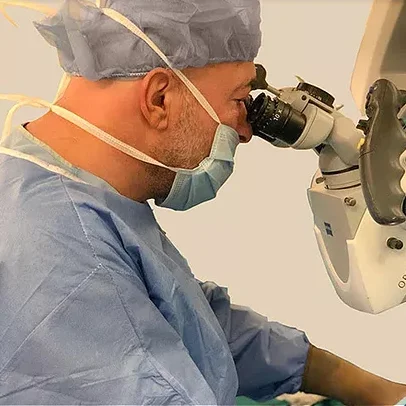
To summarize, the answer to the question what is varicocele is a disease that silently threatens male reproductive health and is the leading cause of infertility, yet it can be permanently and most successfully overcome when correct and gold-standard methods such as microsurgical varicocele surgery are applied. With over 30 years of professional experience and a surgical background of more than 6,000 microsurgical cases, Prof. Dr. Teoman Cem Kadioglu performs varicocele surgeries that restore patients' health with high comfort, near-zero complication rates, and exceptional aesthetic satisfaction.
If you would like to obtain more detailed information about varicocele, learn its symptoms, or understand treatment processes, you can review our pages on What are Varicocele Symptoms? and Varicocele Surgery (Microsurgical Method).
This content was prepared by
Prof. Dr. Teoman Cem Kadioglu
Urology and Andrology Specialist