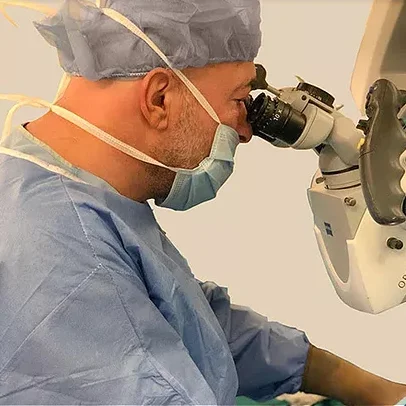
Microsurgical varicocele surgery, when performed by experienced hands and under a microscope, is the method with the highest success rate and the lowest complication rate. After pioneering the first microsurgical varicocele surgery in Turkey, I observed that many patients had inadequate previous surgeries and required corrective microsurgery. Therefore, I have only performed microsurgical varicocele surgery for the last 20 years.
In over 6,000 microsurgical varicocele surgeries I have performed in the last 20 years, the technical success rate is over 99%. The serious complication rate is 0%, and the minor complication rate, such as a simple wound infection, is 1-2%. More than 90% of my patients showed improvement in their semen analysis values, and pregnancy has been achieved in many.
Varicocele, which can cause male infertility, can also occur in adolescents. For varicocele diagnosis, radiological methods are not necessary other than physical examination. Measuring the testes is required to evaluate testicular volumes after varicocele surgery. Orchidometry is used to measure testicular volume in patients diagnosed with varicocele. The purpose of varicocele surgery in adolescence is to protect fertility. An ideal varicocele surgery should protect testicular functions, completely resolve the varicocele, and be free of complications. In varicocele surgeries, using a microscope reduces complication rates to a minimum. Apart from testicular sizes, significant improvement is achieved in semen analyses and hormone values after varicocele surgery. Varicocele surgery should be performed using the microsurgical method and by an experienced specialist. The enlargement and varicosity of the testicular veins is called a varicocele. Due to the varicosity, the valves in the veins become insufficient and the dirty blood that should drain flows back towards the testis, impairing testicular function.
During fetal development, the testes form at the same level as the kidneys and then descend downward. During this descent, they pass through the inguinal canal, exit the abdominal region, and usually settle in the scrotum by birth. During this descent process, the testes carry their blood vessels along with them. For this reason, the main vein of the left testis drains into the left renal vein. When standing, this vein forms a steep angle and, since there are no surrounding muscles to compress and pump it like in the veins of the leg, varicosity is common. The valves that form a check-valve mechanism inside the veins become insufficient due to the expansion of the vein diameter, and this backward flow cannot be prevented. In conditions that increase intra-abdominal pressure, such as deep breathing or heavy lifting, blood flows back towards the testis, increasing the venous pressure at the testicular outlet, which slows down blood flow within the testis and affects testicular functions.
Varicocele is a condition caused by the enlargement of the testicular veins and particularly affects reproductive health. Although it does not directly cause erectile dysfunction, it can decrease testosterone production over time, resulting in reduced libido and decreased sexual performance. It is seen in approximately 20% of all men, and in about 40% of men experiencing infertility. In semen analyses, sperm count, motility, and viability can decrease; sperm DNA integrity can be impaired (increase in DFI). This decreases the chance of fertilization and increases the risk of early miscarriage. Varicocele usually presents with a feeling of heaviness, pressure, or warmth in the groin or testis, which becomes more prominent after standing for long periods. The most effective treatment method is microsurgical varicocele surgery. This method provides both pain relief and a significant increase in sperm quality. Following treatment, many men are able to have children naturally.
Varicocele must be diagnosed through physical examination. I do not perform surgery in cases where varicocele is not detected in my physical examination but is said to be present only on Doppler ultrasound; surgery does not benefit these patients. The examination is performed while standing and in a warm environment. If the varicosities are visible to the eye, Grade 3 varicocele is diagnosed; if the veins are palpable or become tortuous with straining, Grade 2 varicocele is diagnosed; if the filling of the vein from top to bottom is felt only during straining, Grade 1 varicocele is diagnosed. The grade of varicocele is not always parallel to its negative impact. Varicocele increases its negative effects over the years; even if a couple has their first child, they may not be able to have a second child. Varicocele begins during adolescence; it does not constitute an emergency, and if necessary, surgery is recommended within a few months.
Microsurgery is the most successful and least complicated method for varicocele treatment. With microsurgical operations performed by experienced hands, the success rate is very high and the risk of recurrence is low. Thanks to this method performed using a microscope, the veins, lymphatic channels, and the testicular artery are clearly visible. Thus, only the diseased veins are ligated, and healthy vessels are preserved. This ensures a more comfortable recovery process and protects testicular functions.
If the surgeon does not have sufficient experience or if it is needed during corrective microsurgery, using a microvascular Doppler can be useful to distinguish the artery.
Microsurgical varicocele surgery is not a simple operation; it is only successful in experienced hands with specialized microsurgical training. The risk of complications is high in inexperienced hands.
Varicocele does not recur after a correct and complete microsurgical varicocele surgery. In inadequate surgeries, varicocele may persist, and corrective surgery may be required. Read details on Failed Varicocele Surgery and Corrective Revision Repair.
For men diagnosed with varicocele, it is not appropriate to directly proceed to assisted reproductive technologies (ART) such as IVF, microinjection (ICSI), or intrauterine examination (IUI). This is because varicocele damages the chromosomal integrity of the sperm and increases the DNA Fragmentation Index (DFI). This reduces the fertilizing capacity of the sperm; even if fertilization occurs, it significantly raises the risk of early miscarriage. Many couples experiencing repeated failures in assisted reproductive techniques are able to achieve pregnancy naturally or with much less intervention after microsurgical varicocele surgery. Therefore, varicocele treatment must be evaluated before assisted reproductive methods. IVF treatments should be considered as a last resort; because in these methods, the risk of congenital abnormalities in the baby may increase, and there is also a possibility of early menopause and serious systemic complications in the woman.
After microsurgical varicocele surgery, the vast majority of patients experience improvement in sperm parameters and an increased chance of having a child. The success rate varies depending on the patient's condition.
After surgery, patients are usually discharged on the same day. They can return to daily activities within a short time. Full recovery may take a few weeks.
After varicocele surgery, patients are recommended to avoid heavy physical activities, sports exercises, and sexual intercourse for 1–2 weeks. The surgical site must be kept dry and clean, dressings should be done regularly, and care must be taken against possible signs of infection. Postoperative pain, edema, or hematoma is usually temporary. However, in case of high fever, excessive pain, or significant swelling in the testes, a physician should be consulted.
The purpose of the surgery performed for varicocele treatment is to close the two malfunctioning venous systems out of the testis's three systems, ensuring that dirty blood returns to the heart only through the healthy third system. During this procedure, the testicular artery and lymphatic channels are meticulously preserved. Thus, the elimination of the varicocele is aimed at without damaging either the testicular blood circulation or tissue nutrition.
While the testes develop inside the abdomen, they descend into the scrotum before birth. The testes use the same pathways they descended through for their veins (venous return). Just like in the leg veins, these vessels contain valves that ensure blood flows back to the heart. However, when these valves in the testicular veins are weak or insufficient, blood flows backward, pools, and the veins dilate. This condition is known as "varicocele".
Varicocele does not directly cause erectile dysfunction in men, but over time, it can affect the testes and slightly reduce testosterone, the male hormone. Reduced testosterone levels due to varicocele may also be accompanied by a decrease in sexual desire and a drop in sexual performance.
The dirty blood in the testes is drained from the body through three venous systems:
1. Internal spermatic vein is the main vein; it passes through the inguinal canal and drains into the renal vein on the left, and directly into the vena cava going to the heart on the right.
2. External spermatic vein does not extend into the abdomen through the inguinal canal, but drains into superficial veins.
3. Vasal vein pair runs along with the vas deferens and drains into the venous plexus behind the prostate.
Varicocele occurs when blood flows backward in the first two systems. In surgery, all branches of these two systems are carefully ligated, while the third system is preserved for healthy drainage of blood from the testis.
The purpose of varicocele surgery is to resolve the testicular vein enlargements while preserving the lymphatic channels and the artery. In surgeries where microsurgery is not utilized, these structures cannot be distinguished by the naked eye and may be accidentally ligated, or some veins may be missed. This situation increases the risk of varicocele recurrence up to 40%. In addition, non-microsurgical operations carry a 20% risk of hydrocele (fluid accumulation around the testis) and a 5% risk of testicular loss. In operations performed with the microsurgical method, these risks are practically non-existent: varicocele recurrence drops below 1%, and hydrocele or arterial damage is not seen.
In varicocele treatment, the goal is to safely ligate the enlarged veins of the testis using the microsurgical method and ensure blood flow through healthy veins.
This procedure, preserving the testicular artery and lymphatic vessels is of great importance.
In non-microsurgical methods, since these structures cannot be distinguished by the naked eye, they may be involuntarily ligated or some veins may be missed. This situation can increase the risk of varicocele recurrence up to 40% and the rate of hydrocele (fluid accumulation around the testis) up to 20%. Although rare, a risk of testicular loss (5%) exists.
The microsurgical method, when applied in experienced hands, almost completely eliminates these complications and has an extremely high success rate.
Varicocele is a condition resulting from the enlargement of the testicular veins that can negatively affect male reproductive health. It does not directly cause sexual dysfunction; however, over time, it can impair testicular functions and reduce testosterone production. This can lead to a decrease in libido and performance. Varicocele is seen in approximately 20% of all men and in 40% of men experiencing infertility. A decrease in sperm count, drop in motility, shape abnormalities, and DNA damage (increase in DFI) are common. This reduces fertilization success and can increase the risk of early miscarriage. Varicocele can present as a feeling of heaviness, pressure, or warmth in the groin and testicular area; standing for a long time can increase the symptoms. Today, the most effective treatment method is microsurgical varicocele surgery. The microsurgical method improves sperm quality and the chance of pregnancy.
The most reliable method for varicocele diagnosis is physical exam. I do not recommend surgical treatment in varicocele cases detected only by Doppler ultrasound but not identified during physical exam; because in these cases, surgery usually does not provide a significant benefit. The examination should be performed in an environment where the patient is standing and at room temperature. Cases where the varicosities are visible to the naked eye are evaluated as Grade 3 varicocele; cases where the veins are clearly felt by hand or become prominent with straining are Grade 2 varicocele; and cases where the feeling of filling from top to bottom is obtained only during straining are evaluated as Grade 1 varicocele. The grade of varicocele is not always directly proportional to its clinical effect; even low-grade varicoceles can negatively affect testicular function over time. The disease usually begins in adolescence and shows a progressive course. It does not require urgent intervention in the early period; however, when deemed necessary, a microsurgical varicocele surgery planned within a few months is of great importance in protecting both testicular health and fertility in the long term.
Varicocele does not directly cause erectile dysfunction in men, but over time, it can affect testicular functions and lead to a decrease in testosterone levels. This condition can be seen along with decreased libido and performance. Varicocele is present in 15–20% of all men, and in approximately 40% of men experiencing infertility. Semen analysis may reveal deterioration in count, motility, morphology, and viability values, as well as an increase in the DNA Fragmentation Index (DFI). Elevated DFI reduces the fertilizing capacity of the sperm and increases the risk of early miscarriage. Varicocele can also present with a feeling of pain and pressure in the groin. Therefore, in men diagnosed with varicocele, the first choice of treatment should be microsurgical varicocele surgery; it is not recommended to resort to assisted reproductive techniques such as IVF (ICSI) without treating the varicocele.
In adolescent patients treated with the microsurgical method for varicocele, regular follow-up after surgery is of great importance. Physical examination should be performed once a year to evaluate recurrent varicocele, hydrocele formation, and changes in testicular volume and consistency. Additionally, to monitor whether testicular functions are preserved, serum hormone levels (FSH and testosterone) and semen analysis must be evaluated during annual checks.
Microsurgical varicocele surgery usually takes about 1–1.5 hours. The duration of the operation may vary depending on the patient's vascular structure and the grade of the varicocele. In the microsurgical method, an operating microscope is used to visualize the veins, artery, and lymphatic channels in detail. This ensures only the diseased veins are ligated, and the testicular artery and lymph vessels are preserved.
The microsurgical method requires more careful and meticulous surgery compared to classical surgical techniques. Therefore, the operation time may be slightly longer, but the complication rate is extremely low, and the risk of varicocele recurrence is minimized. Patients are usually discharged on the day of surgery or the next day, returning to their daily lives within a short time.
After microsurgical varicocele surgery, patients are generally advised to avoid sexual intercourse for about 10–14 days. This period is important for the healthy healing of the surgical area.
Once recovery is complete, patients can return to their normal sexual life. Varicocele surgery does not negatively affect sexual function, and improvement in sperm production is usually observed in semen analyses performed 3–6 months after the surgery.
Since microsurgical varicocele surgery is usually performed under general or spinal anesthesia, no pain is felt during the operation. After the surgery, there may be mild pain or sensitivity in the groin area. In most patients, this pain is easily controlled with simple painkillers and decreases significantly within a few days.
Since the microsurgical technique is used, tissues suffer less trauma and postoperative pain is generally mild. The vast majority of patients are able to return to their daily lives within a short time.
After microsurgical varicocele surgery, patients can usually return to daily activities within a few days. Patients working desk jobs can often start working within 3–5 days.
Those working in jobs that require heavy physical labor are advised to avoid heavy lifting and strenuous activities for about 2 weeks. This period is important for the healthy healing of the surgical site.
Microsurgical varicocele surgery is a very safe operation when performed by an experienced surgeon. Since the testicular artery and lymphatic channels are clearly seen in this method using a microscope, the risk of complications is extremely low.
In surgeries performed with the microsurgical technique, the recurrence rate of varicocele is below 1%, and the likelihood of complications such as hydrocele is also very low. Therefore, microsurgical surgery is considered the most reliable method for varicocele treatment today.
Improve in sperm production after microsurgical varicocele surgery is generally observed in semen analyses performed about 3 months after the operation. This is because the sperm production process takes approximately 70–90 days.
In many patients, significant improvement is seen in sperm count, motility, and quality parameters. In some patients, this improvement may take 6 months or longer to appear.
The risk of recurrence in varicocele surgeries performed with the microsurgical method is extremely low. In microsurgical operations performed by experienced surgeons, the recurrence rate of varicocele is usually below 1%.
In some methods other than microsurgery, the likelihood of varicocele recurrence might be higher because all branches of the veins cannot be seen. The microsurgical technique, however, visualizes the vessels in detail, reducing the recurrence risk to the lowest level.
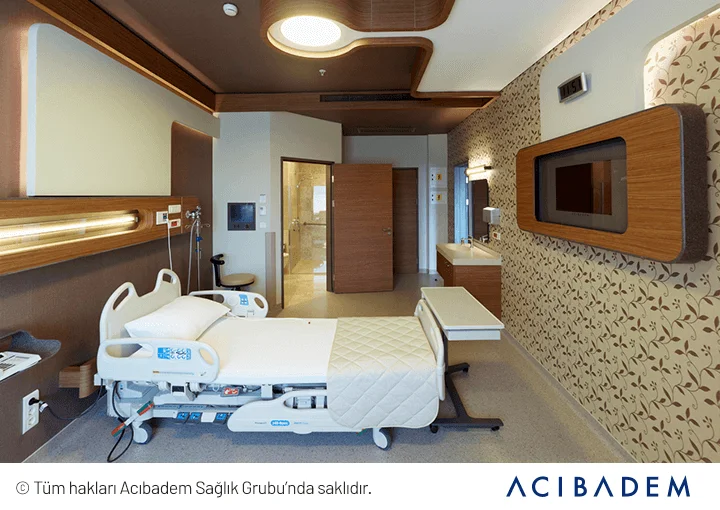
Acıbadem Fulya Hospital, located in Beşiktaş, Istanbul.